

Before I move on to this newsletter topic, I want to update you on my “plan” regarding my rising PSA, which is 640 ng/mL as of March 5th. First of all, since the hospitalization I wrote about in my last newsletter, I am completely asymptomatic.
I’m still on the repurposed drugs I’ve discussed in multiple prior newsletters and not having any side effects after adjusting the dose of one of them.
I have taken steps to reduce my stress level and improve my sleep, including taking a break from practicing. I am definitely not retiring because I’m not ready for that, but I am taking a break and prioritizing my health.
I gauge my overall wellness based on my gym workouts, and am happy to say I’m having some of the best workouts in months. I’m getting regular 8-9 hours of sleep each night, and that makes all the difference in my energy and mood.
All of my labs are normal except for the PSA, which I’ll repeat in two weeks with a follow-up visit with my radiation oncologist.
This newsletter is for the science-curious, and especially the men with advanced prostate cancer who so diligently search for ways to optimize their protocols in conjunction with their oncologists and urologists.
So for the rest of you, I hope you don’t find it boring. I’ll admit the topic is pretty complex, and I did my best to “bring the temperature down” as much as possible given the level of difficulty. Hopefully, I brought it down enough.
Let me know in the comments. So here we go.
Risk factors
As a man who considered myself very healthy before being diagnosed with advanced prostate cancer at age 53, the diagnosis was shocking. Given my training in Functional Medicine, I thought there might be upstream issues at a very deep level, including my genetic level, that I was unaware of.
Some say it’s simply “luck of the draw” to be diagnosed with cancer. That “healthy” people are diagnosed with cancer every day, and that patients shouldn’t feel guilty about what they should or shouldn’t have done before their diagnosis.
I agree with not feeling guilty about it, but if you understand Functional Medicine, then you know there are always upstream issues that aren’t necessarily related to your lifestyle that play some role in the development of disease. These may include:
Family history
Genetic aberrancies - single nucleotide polymorphisms (SNPs) you are born with
Adverse childhood experiences (ACEs) - early-life traumas linked to higher risk of mental and physical disease in adulthood, including cancer.
Prolonged psychological stress - associated with immune suppression, persistent elevation of cortisol, and chronic inflammation
Drug-induced nutritional deficiencies/insufficiencies - proton pump inhibitors like Prilosec that block acid, causing vitamin and mineral deficiencies, associated with osteoporosis and B12 and iron deficiency anemias
Immune reactivity to gluten - specifically, autoimmune Celiac Disease, which is associated with an increased risk for lymphoma and small bowel cancer
Environmental toxin exposure - worse for some than others if their detoxification systems are impaired (discussed below)
Chronic uncontrolled low-grade inflammation - at the root of almost all chronic diseases
Stealth infections - human papilloma virus (HPV) associated with head & neck cancers, Epstein-Barr virus (EBV) associated with Multiple Sclerosis, Chronic Fatigue Syndrome, and certain cancers
Chronic dysbiosis - an imbalanced gut microbiome associated with chronic inflammation
And this is a short list.
Some of these were already on my list, including an older brother with prostate cancer, a history of irritable bowel syndrome (suspected small bowel intestinal overgrowth), exposure to mercury, and adverse childhood experiences.
Digging deeper
So, I decided to dig deeper to help me understand what else could have helped set the stage for my cancer diagnosis. I had already been tested for germline mutations, including BRCA2, and the results came back negative.
After establishing an account with 23andMe, I ordered a saliva test kit and submitted it. Once I received the results, I downloaded my raw genetic data and uploaded it to a free online tool called Genetic Genie, which translated it into a list of my genetic variants, called single-nucleotide polymorphisms (SNPs), pronounced ‘snips.’
I then had Claude AI cross-reference my variants against the scientific literature to determine which SNPs might have contributed to underlying risk factors for prostate cancer.
Because of the prompt I used when I uploaded the raw data to Claude, I not only received an explanation of the biological vulnerabilities associated with my SNPs but also guidance on lifestyle changes to mitigate them.
SNPs are small variations in my genetic code that can alter how efficiently a particular gene functions. Think of them as individual letters in your DNA that differ slightly from the standard sequence.
SNPs affect how your body responds to certain medications, viruses, environmental toxins, nutrients, and hormones, and help shape your individual risk for a wide range of diseases.
When you know the problems that SNPs may be contributing to in your biology, there may be ways to help buffer that vulnerability, whether through specific dietary changes, nutritional supplements, or a focused avoidance of certain toxins.
I want to be clear. I am not saying that SNPs are directly associated with the development of cancer. I am saying that SNPs can create biological vulnerabilities that, especially in combination, may increase your risk for diseases, including cancer.
23andMe
You might think 23andMe is only for understanding your ancestry and for finding who else on the platform is related to you, but it offers much more. 23andMe kits analyze roughly 700,000 SNPs scattered throughout your genome.
I paid $99 for 23andMe’s Basic Ancestry profile, which included access to a list of my SNPs when I requested to download my raw genetic data. Most people don’t know 23andMe lets you download your raw genetic data, much less, what to do with that information.
More expensive 23andMe ‘Health’ panels offer a more advanced analysis of your genes, looking for many specific disease-causing variants. But you don’t need to purchase the more expensive health kits from 23andMe to get this additional information.
In addition, I wouldn’t get the personalized corrective measures for these vulnerabilities from 23andMe. That’s where using an LLM, specifically, Claude, came in.
There is a workaround, and it’s easier than you think. I’ll show you each step I took. I have a Mac, so I’m not sure whether these instructions work on a Windows computer.
The Process
Once signed in to my 23andMe account, I clicked the dropdown symbol (caret) to the right of my picture in the upper-right corner of the web page. Then I clicked on ‘Settings.’
Once on the Settings page, I scrolled down near the bottom, where it says ‘23andMe Data,’ and clicked the ‘View’ icon. I scrolled down and clicked on the ‘Download Raw Data’ icon, and it walked me through requesting my raw data.
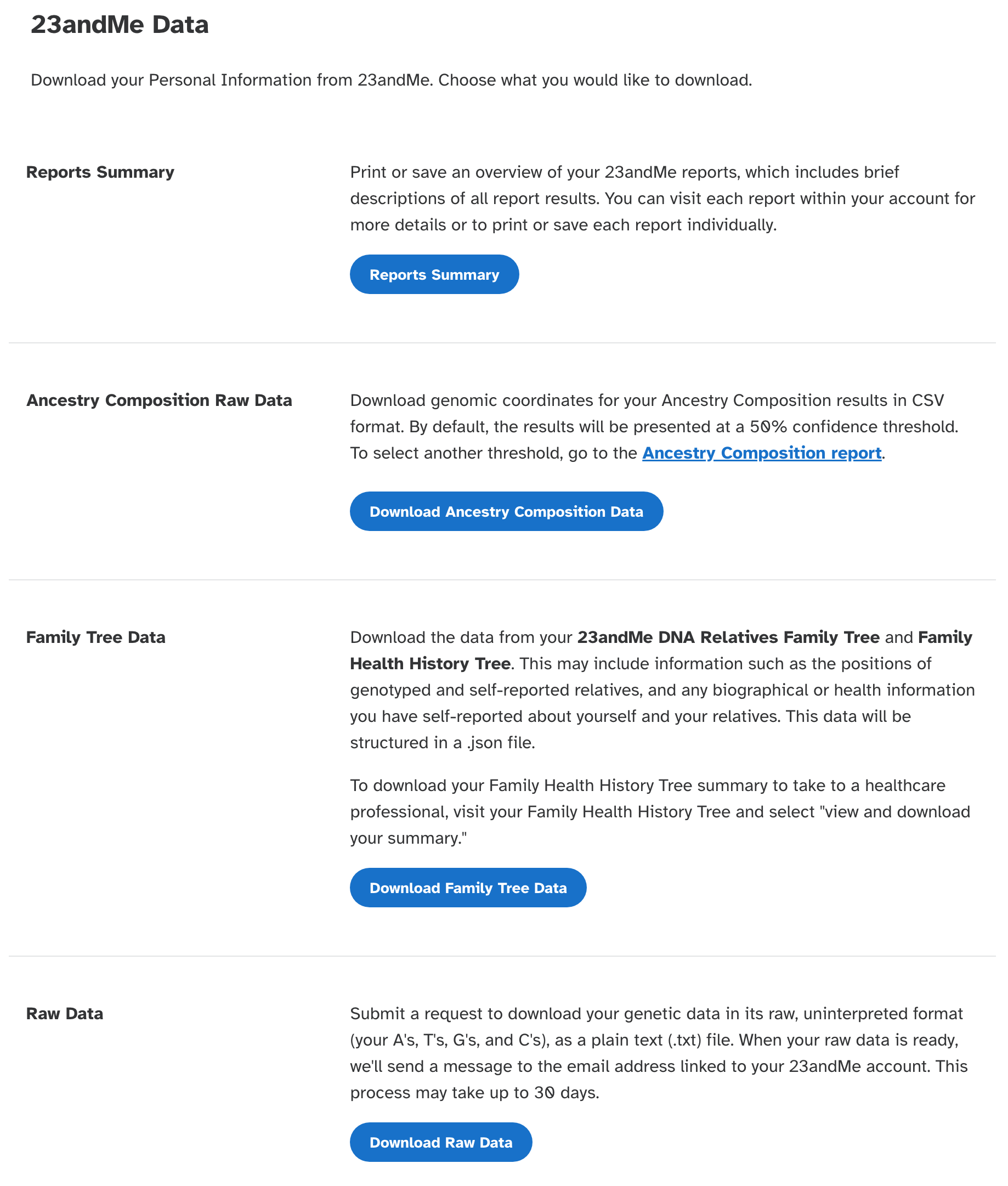
It took about 24 hours before I received an email saying, “Your 23andMe raw data download is ready.” I clicked on the ‘Download Raw Data’ icon within the email, and my raw data downloaded onto my computer as a ‘zip’ file. My zip file was automatically named “genome_Keith_Holden_v3_Full_20260522090655.zip.”
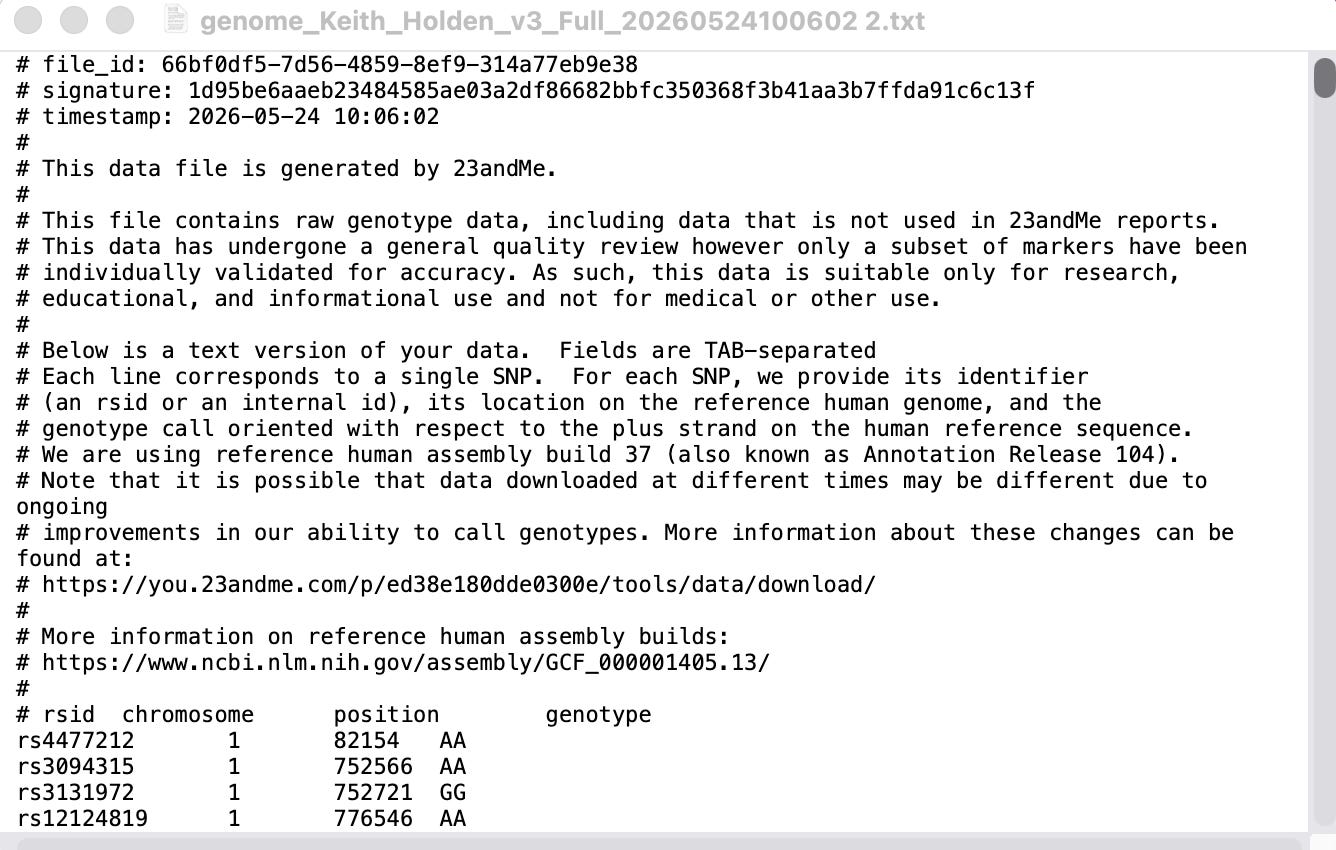
I double-clicked on the zip file, and it opened automatically on my Mac. Once the zip file opened, my list of SNPs was on my Mac as a .txt file named “genome_Keith_Holden_v3_Full_20260524100602 2.txt.”
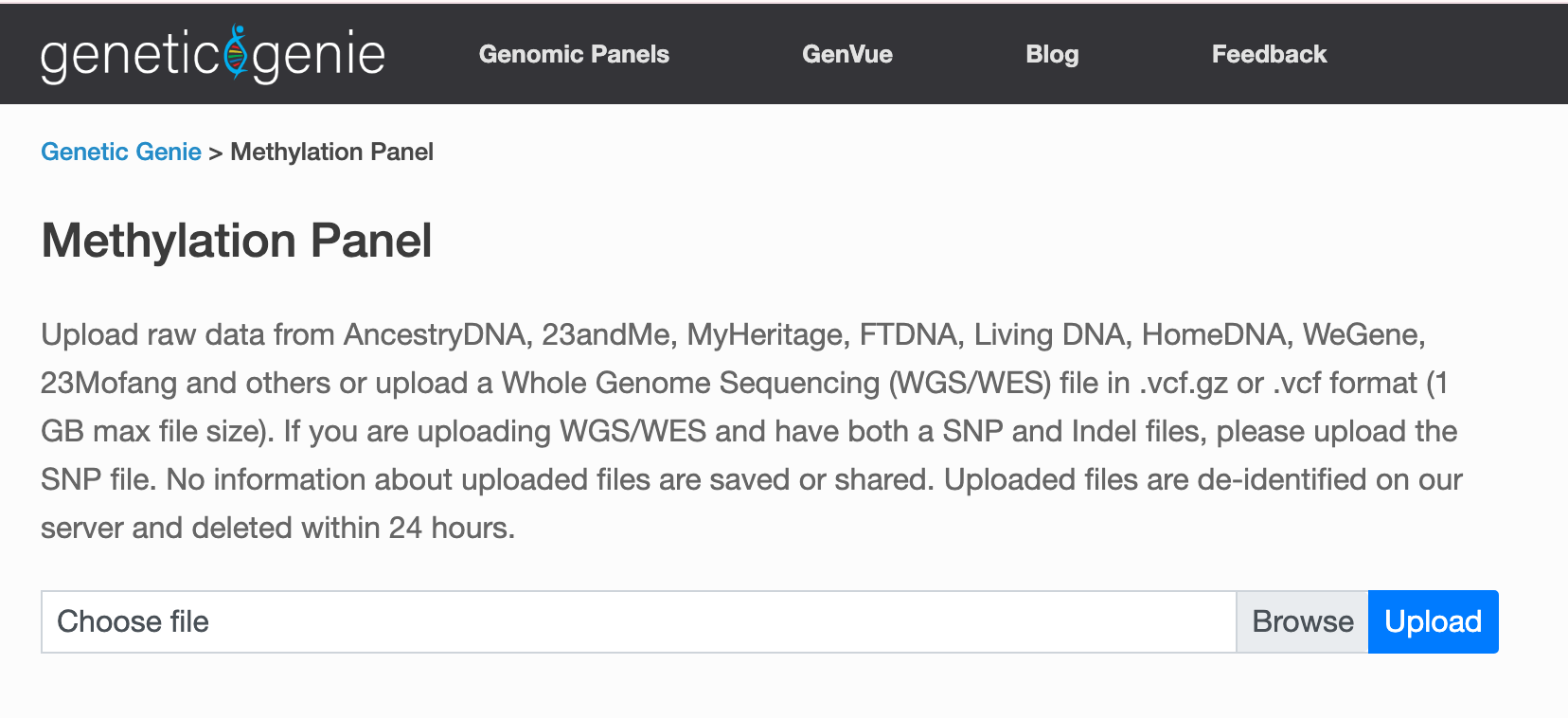
Then I went to https://geneticgenie.org/
I hovered over ‘Genomic Panels’ at the top of the page. You’ll see ‘Methylation Panel’ and ‘Detox Panel.’ I clicked on ‘Methylation Panel,’ and then clicked on ‘Choose file,’ which let me select the .txt file to upload. I left the .txt file on my desktop, so it was easy to find. I clicked on ‘Upload,’ and it uploaded my .txt file to Genetic Genie.
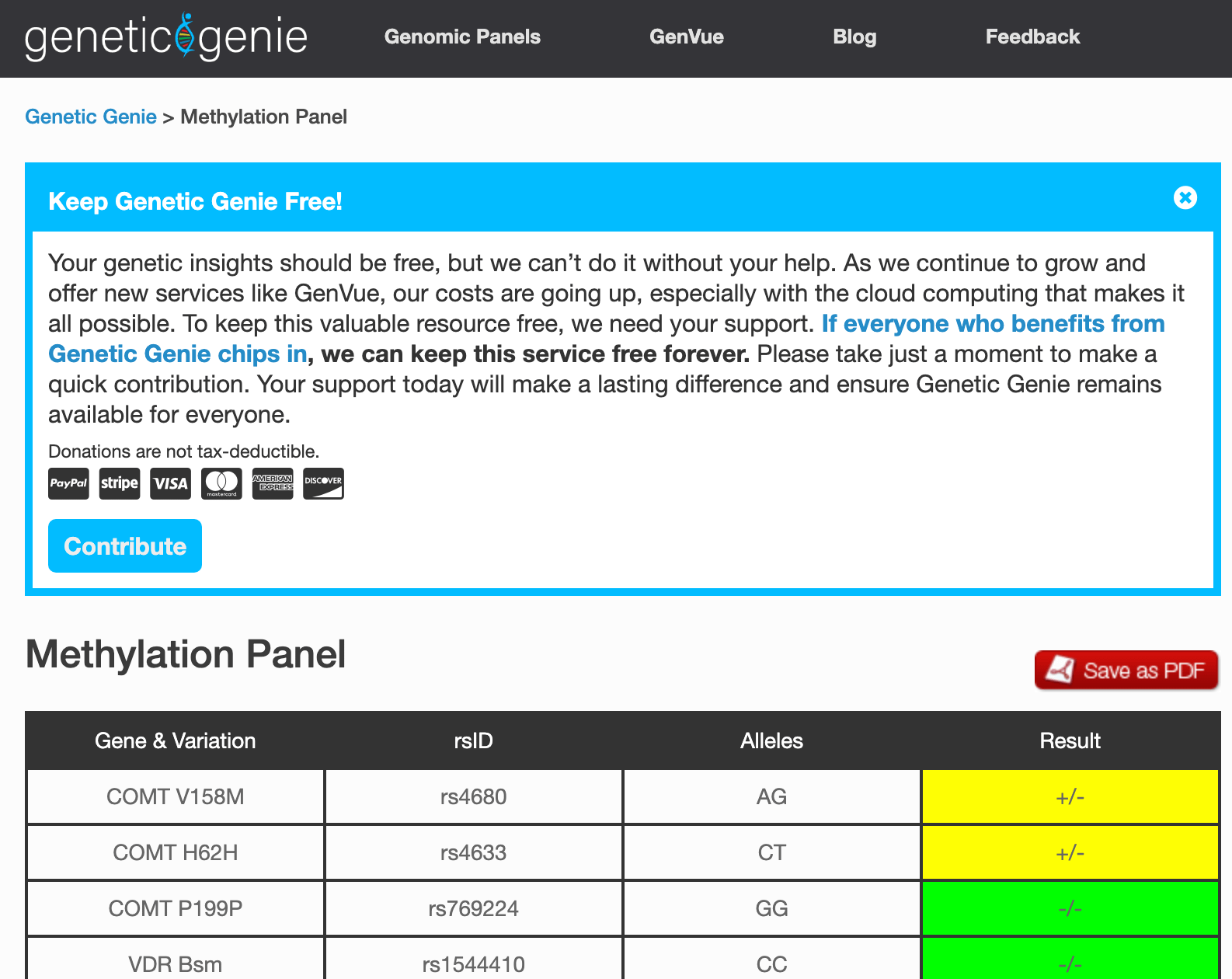
It took about a minute for it to automatically show my Methylation Panel SNPs. I clicked on the ‘Save as PDF’ icon, which let me download the Methylation Panel as a PDF to my desktop.
I performed the same procedure for the Detox Panel.
Genetic Genie lets you do this for free, though it offers the option to make a donation.
Using a PDF reader, I redacted my name and then uploaded both the Methylation and Detox PDFs to Claude AI. You can use any large language model (LLM) to do this.
I asked for an interpretation, along with a review of PubMed scientific papers to show where any of my SNPs might be associated with an increased risk for prostate cancer. I also asked Claude to show me where I might take steps, based on those SNPs, that could potentially reduce my risk of progression.
Keep in mind that all LLMs have the potential to hallucinate and make things up. So, I also uploaded both redacted Methylation and Detox panels to ChatGPT and gave it the same prompt. It returned a very similar report.
If you’d like to see the prompt I used for Claude and ChatGPT, here is a link to it in a Google document.
SNP tools
To my surprise, I found that I had multiple SNPs that, in combination, may have contributed to my diagnosis. What I found was a stack of genetic vulnerabilities that I didn’t know I had.
To be fair, there’s an important reason for that. SNP-based genomic profiling isn’t yet part of routine clinical care. The most clinically validated SNP tool currently referenced in prostate cancer guidelines is the Stockholm-3 test, which incorporates 254 SNPs alongside other risk factors.
While the 2026 NCCN guidelines note that the Stockholm-3 test is an optional tool for men thought to be at higher risk for prostate cancer who have never received a biopsy, the 2026 AUA guidelines say that the test needs further validation.
Even this SNP tool, recognized by the NCCN guidelines, is still working its way into mainstream medicine. The kind of analysis I did, using a consumer testing service and a free online platform, is an entirely different exercise.
I’m not suggesting that what I did is equivalent to clinical genetic testing. What I’m describing is what I found when I looked into it myself, and why I believe it’s worth understanding.
My SNPs
Several of my SNPs may have contributed to conditions in my body associated with increased oxidative stress, impaired detoxification, and genomic instability. These conditions may affect my biology in ways that may contribute to cancer starting, growing, and spreading.
If you want to skip to a quick visual summary of my SNPs, scroll down a bit.
One of them, the SOD2 A16V (+/+), can alter the efficiency with which SOD2, an antioxidant enzyme, is transported into my mitochondria. Mitochondria are the powerhouses found in all your cells that generate energy in your body.
Having this SNP means my ability to neutralize damaging free radicals in my mitochondria is reduced compared to someone without it.
Studies suggest this SNP may reduce SOD2’s transport efficiency into my mitochondria by approximately 30-40%, allowing damaging free radicals to accumulate over time and increase oxidative stress.
When left uncompensated, this chronic oxidative stress damages mitochondrial DNA, disrupts cellular energy production, and slowly erodes the genetic stability of prostate cells over years and decades.
Over time, genomic instability, in combination with chronic oxidative stress, can promote the formation and progression of cancer.
Even though my prostate was removed, the tumor cells had already metastasized. And because this SNP exists in every cell of my body, this underlying biological vulnerability did not leave with the prostate.
SOD2 dysfunction may continue to contribute to increased oxidative stress throughout my body. So, can I do something that may help compensate for this vulnerability?
Thankfully, yes. And I’ll tell you how shortly.
My genomic data showed another SNP, GSTP1 I105V (+/-), which reduces the activity of the detoxification enzyme GSTP1 (glutathione S-transferase Pi).
Unlike most organs, the prostate relies heavily on this single detoxification enzyme, GSTP1, to neutralize harmful chemicals before they can damage the DNA of prostate cells. Most tissues have backup systems, whereas the prostate has relatively few. This makes it especially vulnerable when GSTP1 stops working.
Research shows that GSTP1 is silenced (switched off) in more than 90 percent of prostate cancers, making it the most consistently altered gene in the disease. In my case, my SNP meant that my baseline GSTP1 activity was reduced for years before my diagnosis.
Because SNPs are present from birth, this means my prostate cells operated with a compromised cellular “shield” for decades. My baseline defense against DNA damage was naturally lower than that of someone without the SNP.
That lower starting point may have brought me closer to the threshold where the silencing that occurs during cancer development tipped from manageable to damaging, long before I was diagnosed with prostate cancer.
I have another SNP that reduces my detoxification ability, called NAT2 R197Q (+/+). With this SNP present in all the cells of my body, I have a reduced ability to efficiently break down and eliminate heterocyclic amines.
Heterocyclic amines are carcinogens formed when meat is cooked at high temperatures. When consumed, these compounds can bind to DNA. Because of this NAT2 SNP, there may be an increased likelihood that these carcinogens persist long enough in my body to damage my DNA.
When you start stacking SNPs that have a potential for an overlapping negative impact on your biology, your risk for problems is theoretically even higher. In combination, these three SNPs may have left my body less equipped to control damaging oxidative stress, clear harmful compounds from my cells, and properly metabolize carcinogens.
These stacked SNPs likely created an unfavorable biological environment in my body, characterized by increased oxidative stress and impaired carcinogen metabolism, and, in doing so, may have contributed to the DNA damage that drives cancer development.
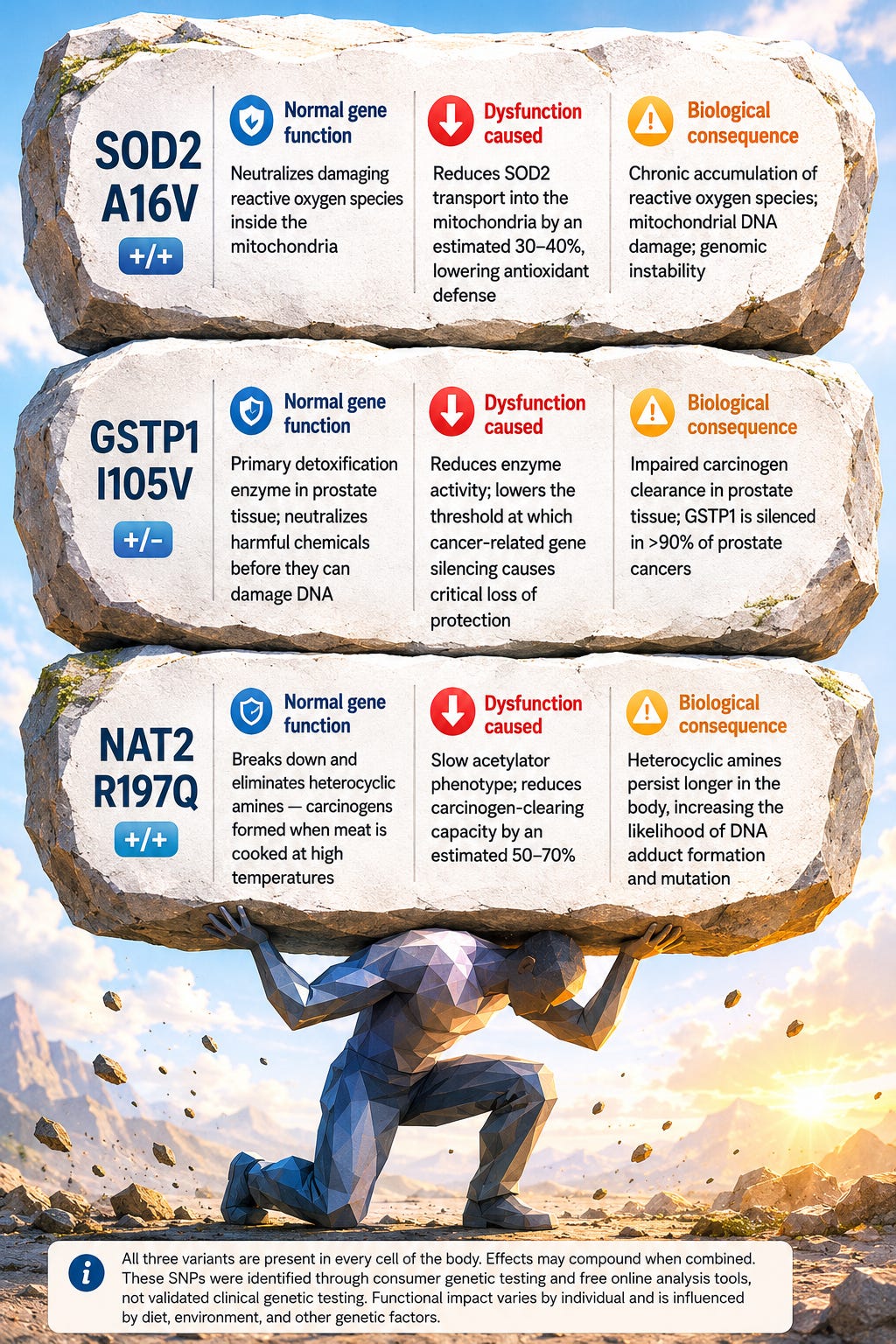
Illustration made by AI
Corrective measures based on my SNPs
These SNPs didn’t disappear after my prostate was removed. Unless I can find a way to help compensate for these layers of dysfunction, they may contribute to the progression of the cancer.
This is especially important for me with a diagnosis of stage 4 prostate cancer, in which science says my care is palliative. Finding ways to help mitigate any biological vulnerabilities I may have feels essential, since I cannot tolerate the standard of care, androgen deprivation.
Could these corrective measures all be a waste of time? Sure, but I’m not going to just ignore this information when I know I can at least do something.
The corrective measures I am taking include:
Making sure I maintain adequate manganese intake, since SOD2 relies on manganese for optimal function. I regularly eat foods rich in manganese, including pecan butter, pumpkin seeds, brown rice, blueberries, and chickpeas in hummus. I also take a multivitamin daily that includes 2 mg of manganese.
To help counter oxidative stress from the SOD2 SNP and support GSTP1 expression, I maintain a high intake of natural antioxidants from colorful berries and cruciferous vegetables, including broccoli, cauliflower, kale, cabbage, and Brussels sprouts.
I maintain regular exercise by combining aerobic exercise and resistance training to support SOD2 and GSTP1 function. Regular endurance and resistance training tells the body to strengthen its mitochondrial defenses, increasing the production and activity of SOD2 throughout the body, raising the baseline level of antioxidant protection that my SNP had lowered. Exercise also activates pathways that stimulate GSTP1 expression.
I supplement with sulforaphane in the form of broccoli sprout extract to support pathways that increase GSTP1 expression.
To help counter the NAT2 SNP, I’ve eliminated well-done and charbroiled meats from my diet to reduce my exposure to carcinogenic heterocyclic amines.
Conclusion
These upstream interventions I’ve initiated hopefully help address the biochemical vulnerabilities these SNPs create in my body. Not as a cure, but as a way to shore up my body’s protective capacities that these variants have eroded over time.
Some may say all this is common sense: exercise regularly and eat your fruits and vegetables. I counter by saying that when you understand your specific vulnerabilities, healthy habits stop feeling like advice you are following and start feeling like protection.
Many people don’t know that heterocyclic amines from well-done and charbroiled meats are carcinogens, much less that a genetic predisposition like mine can make exposure to them significantly more damaging.
My goal is not to frighten anyone into doing this type of research, but to show what it looks like to take meaningful, targeted action once you understand what your own biology may be working against.
Until the next newsletter, I wish you good health.
Much love,
Keith
Disclaimer
This post is written for educational and informational purposes only and reflects my personal health journey and research. It does not constitute medical advice, a clinical diagnosis, or a treatment recommendation. Although I am a licensed physician, nothing in this post establishes a physician-patient relationship or should be used as a substitute for consultation with your own qualified healthcare provider.
The SNP analysis described here was generated using consumer genetic testing through 23andMe and interpreted with Genetic Genie, a free online tool. Neither platform is FDA-approved as a clinical diagnostic instrument. Genetic associations discussed in this post are probabilistic, not deterministic. The presence of any variant does not mean a disease will or will not develop.
Portions of the genomic analysis were produced with the assistance of Claude AI and subsequently reviewed for accuracy. AI-generated content may contain errors, and all scientific claims and citations should be verified independently. The prompt I used, along with its own disclaimer, is linked above.
If you have a personal cancer diagnosis, please consult your treating physicians before making changes to your diet, supplements, or medical care based on anything discussed here.
Praying to my God for a miracle for you. For the last 4 yrs I have dealt with bladder cancer. Already 6 TURBTs. Now or later, We Will be healed! Cardiologist for >30yrs.
Thanks Aris. Unfortunately there isn't a way for me to monitor the GSTP1 expression response to sulforaphane. Just trying to cover my bases. Take care! That along with regularly eating steamed broccoli sprouts. Take care!